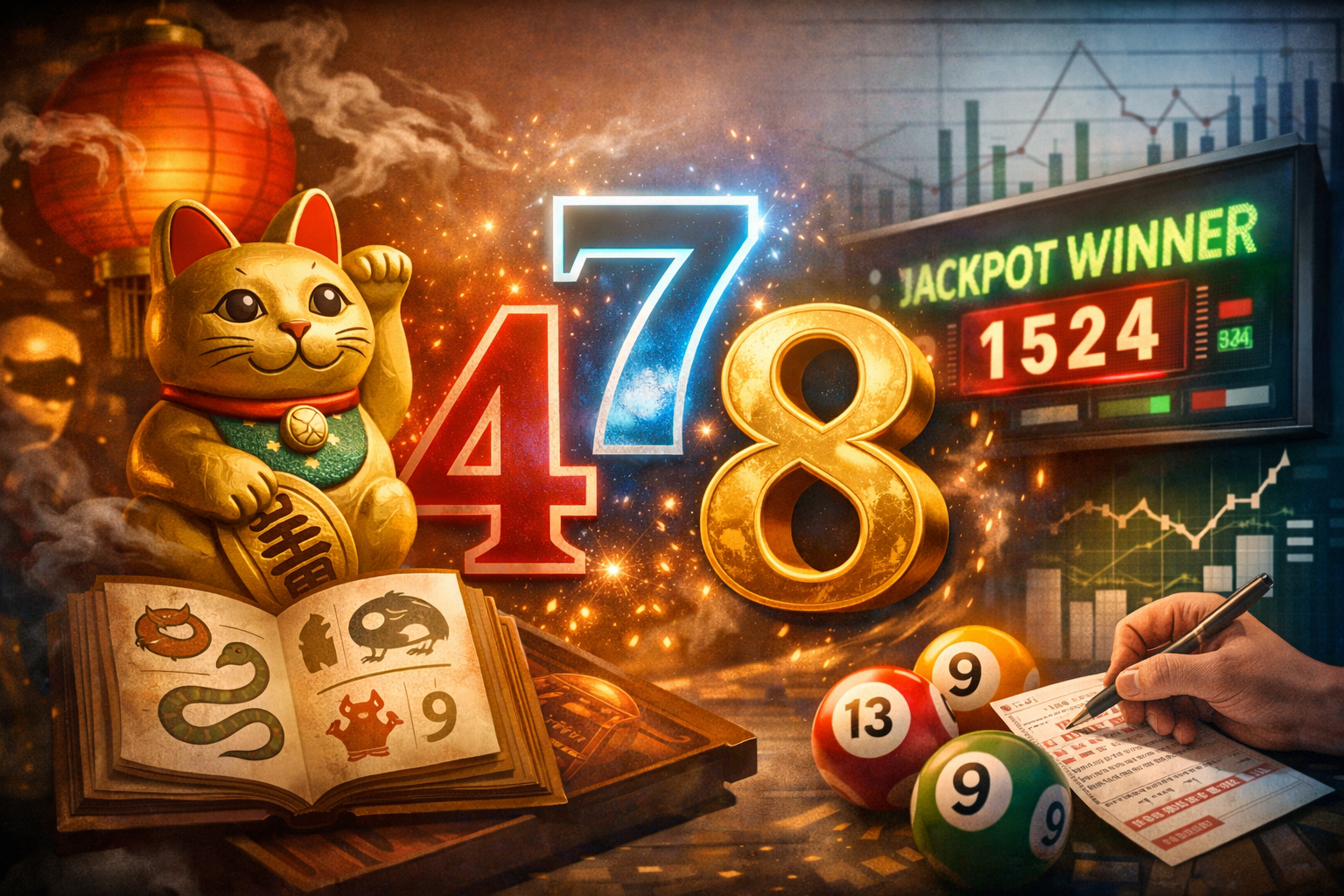
Number superstition has long been a fascinating part of gaming culture, especially in number-based games like 4D. Across generations, players have attached meanings to certain numbers, often influenced by traditions, personal experiences, and shared beliefs within communities. While modern players increasingly rely on data and probability, cultural perspectives on numbers continue to shape how people approach their selections.
This article explores the origins of number superstitions, how they influence 4D gaming behavior today, and how players can balance tradition with responsible decision-making.
The Cultural Roots of Number Beliefs
Numbers have carried symbolic meanings in many cultures for centuries. In various traditions, certain numbers are considered fortunate, while others are avoided due to perceived negative associations. These beliefs often originate from language, historical events, or philosophical systems.
For example, some numbers are associated with prosperity or harmony because of how they sound when spoken, while others may be linked to misfortune. Over time, these interpretations become deeply embedded in daily life, influencing decisions ranging from important dates to gaming choices.
Symbolism Passed Through Generations
Family traditions play a major role in shaping number preferences. Many players recall stories from older relatives about lucky numbers that brought success or avoided losses. These stories are often shared during gatherings, reinforcing the emotional connection to specific number combinations.
Even in a digital era, these generational influences remain relevant. Players may still choose numbers based on meaningful dates, anniversaries, or numbers that hold sentimental value.
Dream Interpretation and Number Selection
One of the most unique aspects of 4D gaming culture is the connection between dreams and number choices. Some players interpret dreams as symbolic messages, translating specific elements into numerical values.
For instance, dreaming about certain objects, animals, or events might lead players to select corresponding numbers. These interpretations are often guided by commonly shared reference guides or community knowledge.
Why Dreams Feel Meaningful
Dream-based number selection often feels personal because it is tied to individual experiences. When a player wins after choosing numbers inspired by a dream, the emotional impact reinforces the belief in this method.
However, it is important to understand that such outcomes are coincidental rather than predictive. Recognizing this distinction helps players maintain a balanced perspective.
Modern Influence: From Tradition to Data
Today’s players are increasingly exposed to analytical tools and statistical insights. Many now combine traditional beliefs with modern approaches, such as reviewing past results or tracking frequency patterns.
This blend of intuition and analysis reflects a shift in gaming behavior. While superstition still plays a role, it is often complemented by a more structured way of thinking.
The Rise of Pattern Awareness
With access to digital platforms, players can observe trends more easily. Some look for recurring numbers, while others avoid combinations that appeared recently. Although these strategies create a sense of control, it is essential to remember that each draw remains independent.
Understanding randomness is key to making informed decisions. No method can guarantee outcomes, regardless of how convincing it may seem.
Common Myths About Lucky Numbers
Superstitions can sometimes lead to misconceptions. Addressing these myths helps players approach 4D gaming with a clearer mindset.
Myth 1: Certain Numbers Are More Likely to Win
Every number combination has an equal probability of being drawn. The belief that some numbers are “luckier” than others is based on perception rather than statistical reality.
Myth 2: Repeating a Number Increases Chances
Choosing the same number repeatedly does not improve the odds. Each draw is independent, meaning past outcomes do not influence future results.
Myth 3: Avoiding “Unlucky” Numbers Is Safer
Avoiding certain numbers does not reduce risk. In fact, excluding combinations may limit potential outcomes without offering any advantage.
Responsible Play in a Culture of Beliefs
While cultural traditions add depth and enjoyment to 4D gaming, responsible play should always come first. Understanding the difference between entertainment and expectation is crucial.
Setting Personal Limits
Players should establish clear boundaries for time and spending. Treating gaming as a form of entertainment rather than a source of income helps maintain a healthy perspective.
Balancing Emotion and Logic
It is natural to feel excited when a chosen number is tied to personal meaning. However, decisions should not be driven solely by emotion. Combining intuition with rational thinking creates a more sustainable approach.
Why Superstitions Persist Today
Despite advancements in technology and access to information, superstitions continue to thrive. This persistence is largely due to the human tendency to seek patterns and meaning, even in random events.
When players experience success linked to a specific belief, it reinforces that belief, making it more likely to be repeated. Over time, these patterns become part of the broader gaming culture.
The Social Element of Shared Beliefs
Discussions about lucky numbers and personal experiences often bring players together. Whether shared among friends or within online communities, these conversations create a sense of connection and belonging.
This social aspect is a key reason why number superstitions remain relevant, even in a data-driven world.
A Balanced Perspective for Modern Players
Understanding number superstitions offers valuable insight into the cultural side of 4D gaming. These beliefs enrich the experience, making it more engaging and personal. However, recognizing their limitations ensures that players approach the game responsibly.
By combining cultural appreciation with informed decision-making, players can enjoy 4D gaming in a way that is both meaningful and sustainable. Ultimately, the key lies in viewing the experience as entertainment while staying grounded in realistic expectations.